Insecticide-treated fabrics against malaria

Creating a world where every child is protected from malaria by the very clothes they wear.

Preventing Malaria with
Insecticide-Treated Baby Wraps

Malaria kills more than half a million children under age 5 every year. At the same time, progress against malaria has slowed as malaria-carrying mosquitoes increasingly bite outdoors and during the day, when children may not be protected by bed nets, indoor spraying, or other existing interventions.

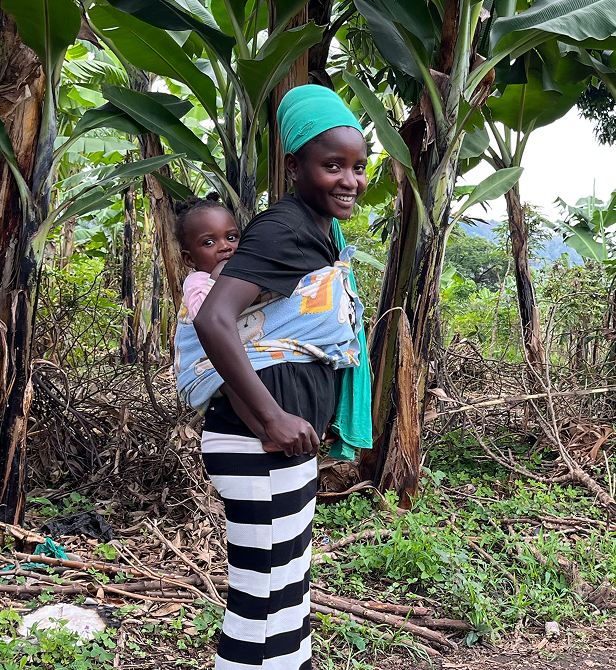
Across Africa and other malaria-endemic regions, mothers commonly carry young children on their backs using cloth baby wraps. Lesu is working to transform these everyday fabrics into life-saving malaria prevention tools through insecticide treatment.

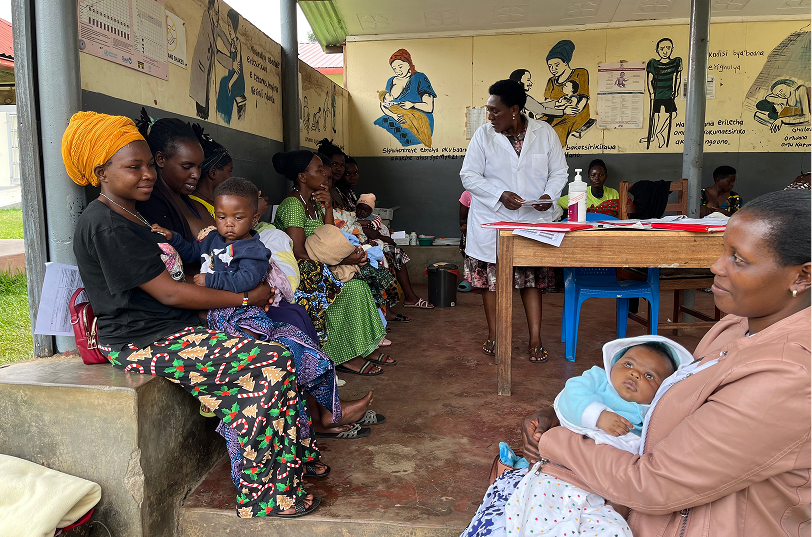
Our research in Uganda showed that permethrin-treated baby wraps reduced malaria infections in young children by two-thirds and reduced malaria-related hospitalizations by more than 50%.

Lesu Director of Research Dr. Ross Boyce discussing our work.

Positive Early Results

A landmark study published in the New England Journal of Medicine, led by Lesu’s Director of Research Ross Boyce, MD and Board Director Edgar Mulogo, PhD demonstrated:

66%

reduction in malaria incidence among children carried in treated wraps

50%+

reduction in malaria-related hospitalizations

Strong community acceptance and high utilization

No significant adverse events

A History of Safety and Life-Saving Efficacy

Pyrethroid insecticides have been widely used for decades in malaria prevention interventions, including insecticide-treated bed nets, and have been shown to be both safe and effective. Applied to baby wraps, this intervention can save hundreds of thousands of children’s lives over the next decade.

Why This Matters

The Opportunity

Unlike many malaria interventions that target indoor biting or require major behavioral changes, insecticide-treated baby wraps build on an already widespread cultural practice that moves with the child.

This creates the potential for:

Latest News